Periods don't have to mean pressing pause on exercise. Gentle exercise is one of the things the NHS suggests for period pain — and knowing what is normal for you makes it easier to spot when something needs a GP. Here's what the NHS says, and some practical ways to keep active through your cycle.
Can exercise help period pain?
Period pain happens when the womb tightens during your period, and the NHS says it is often a normal part of the menstrual cycle. Among the things it suggests trying yourself is gentle exercise, such as yoga, swimming, walking or cycling. Its other suggestions are:
- a warm bath or shower;
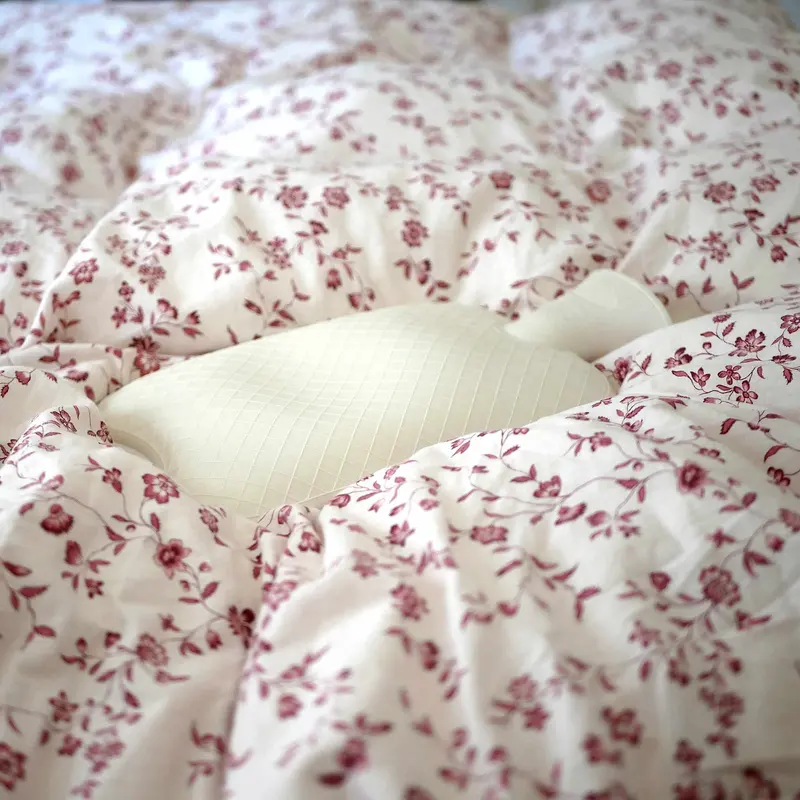
- a heat pad or hot water bottle, wrapped in a tea towel, on your tummy;
- massaging your tummy and back;
- painkillers such as paracetamol or ibuprofen;
- cutting down on alcohol, and not smoking.
On a crampy day, that might mean swapping a hard session for a brisk walk, some morning mobility or a short stretch. Listen to your body — there's no rule that says you must train, or that you must stop.
The days before your period
Premenstrual syndrome (PMS) covers the symptoms some people get in the weeks before a period, such as mood swings, feeling tired, bloating, tender breasts and headaches. The NHS self-help advice for PMS includes exercising regularly, getting plenty of sleep, eating a healthy, balanced diet and trying yoga or meditation to help with stress.
The NHS also suggests keeping a diary of your symptoms for at least two cycles. Noting your energy and how training felt alongside it may show you a pattern, which can help you plan harder sessions for the days you tend to feel best. See a GP if PMS is affecting your daily life or self-help hasn't worked.
Practical tips for training on your period
- Choose the protection you trust. Pads, tampons, menstrual cups and period pants are all options, and the NHS has information on each. Pick whatever you feel most secure in for the activity, and keep a spare in your bag.
- Get your sports bra right. Tender breasts are a common premenstrual symptom, so a well-fitting, supportive sports bra matters even more on those days.
- Go easier when you need to. A lower-impact or shorter session still counts towards your week — see the UK physical activity guidelines.
Heavy periods and feeling wiped out
The NHS describes periods as heavy if, for example, you need to change your pad or tampon every 1 to 2 hours or use two types of protection together, bleed for more than 7 days, pass blood clots about the size of a 10p coin or larger, leak onto clothes or bedding, or avoid things like exercise or work because of your period. Often feeling tired or short of breath is on the list too.
Heavy periods can be normal for some people, but they don't have to be put up with. A GP can talk through treatments and may check for iron deficiency anaemia with a blood test. If you've found yourself skipping exercise because of heavy bleeding, that alone is a good reason to book an appointment.
When to see a GP
The NHS suggests seeing a GP if:
- your periods become more painful, heavier or irregular;
- period pain stops you doing your usual daily activities;
- heavy periods are affecting your life, or come with severe pain;
- you bleed between periods or after sex;
- you have pain during sex, or when peeing or pooing;
- you notice a change in your peeing or pooing, have a swollen tummy, lose your appetite or lose weight without trying.
If your pelvic or period pain is severe or worse than usual and painkillers haven't helped, ask for an urgent GP appointment or get help from NHS 111.
Period pain is sometimes linked to a condition such as endometriosis, adenomyosis, fibroids or pelvic inflammatory disease, which is one reason not to ignore pain that is getting worse. The NHS and the charity Wellbeing of Women have more information.
Sources
- NHS: Period pain — checked 23 Nov 2026
- NHS: PMS (premenstrual syndrome) — checked 23 Nov 2026
- NHS: Heavy periods — checked 23 Nov 2026
- NHS: Periods — checked 23 Nov 2026