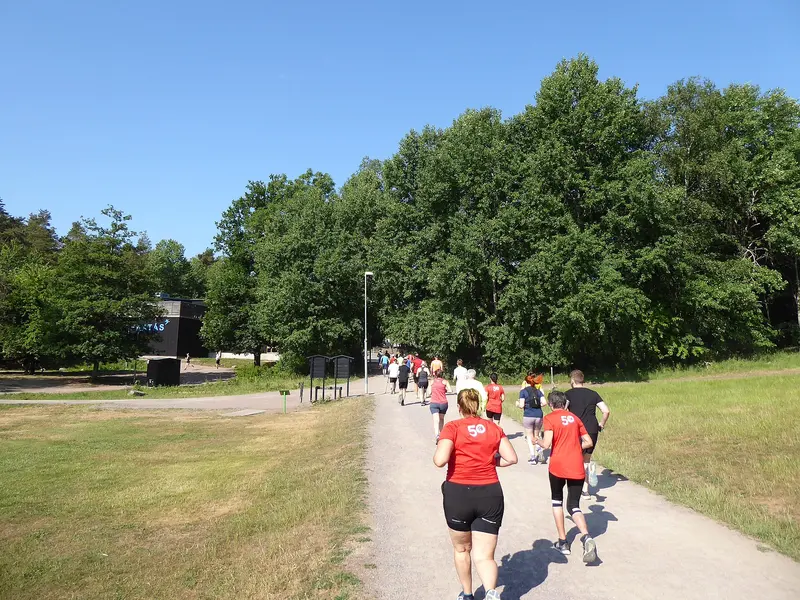
Warm, light days are a lovely time to get outside — but heat puts extra strain on the body, and the NHS says heatwaves lead to more people than usual becoming seriously ill. Here's how to adapt your training using NHS advice, and how to spot when heat is becoming a problem.
Who needs to take extra care
The NHS lists the people most at risk in hot weather. They include:
- older people, especially those aged 65 and over;
- people who are pregnant;
- people with serious long-term conditions, such as heart or breathing problems, diabetes or kidney disease;
- people taking several medicines, or medicines that may make the heat more harmful;
- people who are already unwell and dehydrated, for example from diarrhoea or vomiting;
- people who spend a lot of time outside or are physically active outdoors — including runners, cyclists and walkers.
If you're pregnant, the NHS advice on exercise is to keep cool, drink water to stay hydrated, and stop if you feel uncomfortable, too hot or unwell. Check with your midwife or GP about what's right for you, and see our pregnancy and postnatal page.
Adjust your plans
- Avoid the hottest hours. The NHS advises staying in the shade between 11am and 3pm, so move outdoor sessions outside that window.
- Turn it down. In a heatwave the NHS advises avoiding exercise or activity that makes you hotter, and its heat illness advice includes avoiding extreme exercise. Swap a run or HIIT session for a gentle walk, some mobility work or a low-impact session somewhere cooler — or take a rest day.
- Dress for it. Wear light, loose clothing in light colours.
- Protect your skin. The NHS recommends a sunscreen with at least SPF 30 and at least 4-star UVA protection, reapplied regularly — about every 2 hours — and after sweating or towelling. A hat and sunglasses help too.
Keep drinking
- The NHS suggests drinking more cold drinks, particularly when you're active or exercising. You may need more fluid than usual in hot weather and during long periods of activity, and water is the best way to replace what you lose through sweat.
- In a heatwave, avoid alcohol, caffeine and hot drinks.
- A simple check from the NHS: your pee should be a clear pale yellow.
Training indoors
Rooms can get hot too. The NHS suggests keeping curtains and blinds closed during the day and opening windows at night when it's cooler outside. Electric fans can help when the temperature is below 35°C. Switch off lights and electrical equipment you're not using, as they add heat.
Know the signs of heat exhaustion
Stop exercising if you notice signs of heat exhaustion. The NHS lists:
- tiredness, dizziness or a headache;
- feeling or being sick;
- heavy sweating, with pale, clammy skin;
- cramps in the arms, legs or stomach;
- a raised temperature;
- feeling very thirsty, or irritable.
What the NHS says to do:
- Move to a cool place.
- Take off unnecessary clothing, such as a jacket or socks.
- Drink plenty of water — an isotonic sports drink or oral rehydration solution also helps replace the salt lost through sweat.
- Cool the skin by spraying or sponging it with cool water and fanning; cold packs wrapped in a cloth under the armpits or on the neck help too.
Someone with heat exhaustion should start to feel better within 30 minutes. Stay with them until they do. If symptoms are hard to treat or you need advice, use NHS 111.
Heatstroke is an emergency
Call 999 if someone is still unwell after 30 minutes of resting somewhere cool, being cooled and drinking fluids, or if they have signs of heatstroke, such as:
- a very high temperature;
- hot skin that isn't sweating and may look red;
- a fast heartbeat, or fast or shallow breathing;
- confusion, restlessness or lack of coordination;
- a seizure (fit), or loss of consciousness.
While you wait for the ambulance, the NHS says to keep cooling them — wrap them in a cool, wet sheet, or fan or sponge them with cold water. Follow the 999 call handler's advice.
When the heat passes, pick up where you left off — see staying motivated for getting back into a routine.
Sources
- NHS: Heatwave: how to cope in hot weather — checked 19 Nov 2026
- NHS: Heat exhaustion and heatstroke — checked 19 Nov 2026
- NHS: Sunscreen and sun safety — checked 19 Nov 2026
- NHS: Water, drinks and your health — checked 19 Nov 2026
- NHS: Exercise in pregnancy — checked 19 Nov 2026