New year plans often start with a vague sense of "I should look after myself better". The NHS Health Check can turn that into something more specific. It is a free check-up for adults in England aged 40 to 74, and physical activity is one of the things it asks about.
This post summarises the NHS page about the check as it read on 23 November 2026. It covers England; arrangements differ elsewhere in the UK. It is general information only.
Who it is for
The NHS says the check is for people aged 40 to 74 who do not already have certain conditions. These include:
- heart disease or heart failure
- chronic kidney disease
- diabetes
- high blood pressure
- having had a stroke
You are also not eligible if you are already prescribed medicine to lower your cholesterol, such as statins.
How often, and how to get one
You should be invited by your GP or local council every 5 years. If you think you are eligible and have not been invited, the NHS suggests contacting your GP surgery. If your surgery does not offer the checks, contact your local council. The NHS also says that in some areas you may be invited to do your check online.
What happens
The NHS says the check is carried out by a healthcare professional, such as a pharmacist, practice nurse or healthcare assistant, and takes about 20 to 30 minutes. It usually includes:
- measuring your height, weight and waist
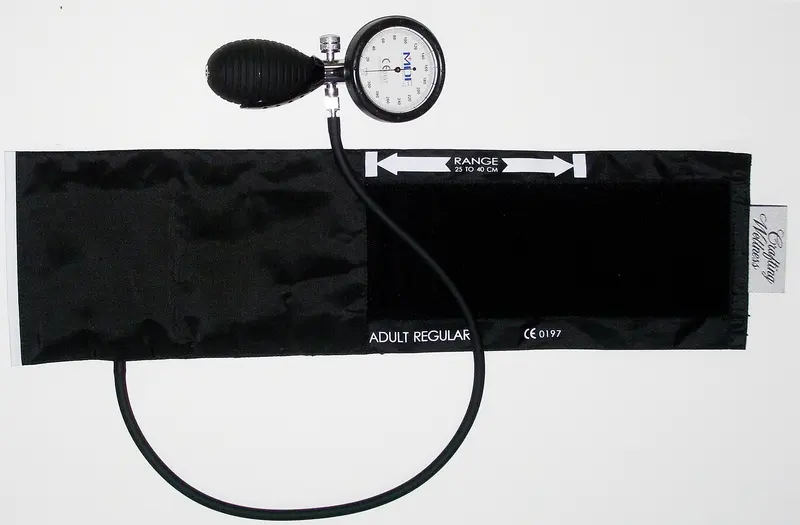
- a blood pressure test
- a cholesterol test, and possibly a blood sugar test
- questions about your family history, whether you smoke, how much alcohol you drink and how physically active you are
Your risk score
The check estimates your risk of developing heart disease, stroke, type 2 diabetes or kidney disease over the next 10 years. You will be given a score, usually described as low, moderate or high, and you can talk about ways to lower it, such as changes to diet or exercise, or stopping smoking.
A low score is good news, not a reason to stop. A higher one is a prompt to act, with support.
Preparing for the activity questions
Being asked how active you are can feel awkward, but an honest answer gets you more useful advice. It helps to know the yardstick. The NHS physical activity guidelines for adults aged 19 to 64 are:
- at least 150 minutes of moderate activity a week, such as brisk walking, riding a bike or dancing, or 75 minutes of vigorous activity, such as running, swimming or skipping
- strengthening activities that work all the major muscle groups on at least 2 days a week, such as lifting weights, yoga or pilates
- reducing time spent sitting or lying down, and breaking up long periods of not moving
Our guide to the UK guidelines explains what counts as moderate and vigorous, and how short bouts add up. The guidelines for adults over 65 add balance and flexibility activities; see our strength and balance in later life section.
A rough tally of your typical week before the appointment (walks, cycling, classes, gardening, strength sessions) makes the conversation easier.
Turning the results into a plan
If you are asked to be more active, start where you are. A few options on the site:
- Walking: our 4-week walking to run-walk plan starts with brisk walks.
- Low impact: our low-impact cardio section has sessions that are easy on the joints.
- Strength: our 4-week home strength starter covers the 2 days a week of strength work.
For many people, the menopause years fall within the same age range as the Health Check. Our menopause and perimenopause section explains why strength and impact exercise matter at this stage.
Sources
- NHS: NHS Health Check — checked 23 Nov 2026 (page shows a review date that has passed — check for updates)
- NHS: physical activity guidelines for adults aged 19 to 64 — checked 23 Nov 2026
Checked 23 November 2026. Guidance changes — follow the links above for the current version.