Lifting the Christmas tree, carrying shopping, a long drive to see family, or a new year push at the gym: there are plenty of ways to end up with a sore back. The instinct is often to rest until it passes. The NHS advice is the opposite.
This post summarises the NHS back pain page, last reviewed in March 2026, as it read on 23 November 2026. It is general information, not a diagnosis. If you are worried about your back, speak to a pharmacist, your GP or NHS 111, and check the urgent warning signs below.
The reassuring part
The NHS says back pain usually improves within a few weeks, although it "can sometimes last longer or keep coming back".
Keep moving
The NHS advice is to "stay active and try to continue with your daily activities", and not to "stay in bed for long periods of time".
It also suggests:
- Exercises and stretches for back pain. Stop if the pain gets worse, and see a GP for advice.
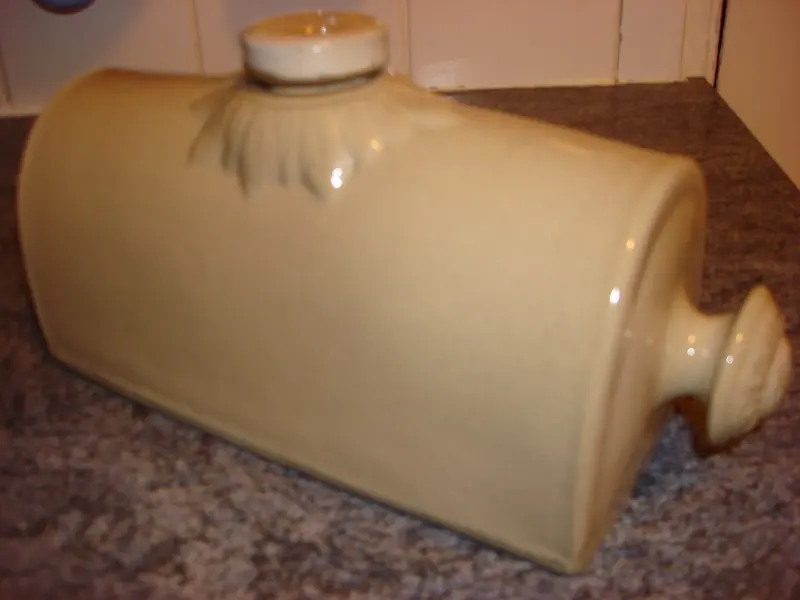
- Heat: a heat pack or hot water bottle, wrapped in a tea towel, to ease stiffness or muscle spasms.
- Cold: an ice pack or a bag of frozen peas, wrapped in a tea towel, to reduce pain and swelling.
- Painkillers: anti-inflammatory medicine such as ibuprofen may help. The NHS notes that paracetamol on its own is not recommended for back pain, although it may be taken with another painkiller. Check with a pharmacist or GP if you are not sure what is suitable.
Gentle movement on the site
If you are used to exercising, it can be hard to know what to do while your back is sore. Staying active does not have to mean a hard workout, and the NHS says to stop an exercise if the pain gets worse.
These mobility sessions are low impact and can be done at home:
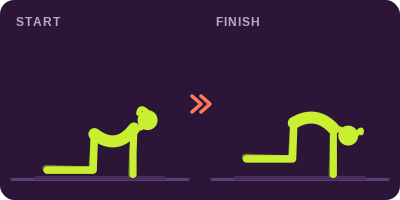
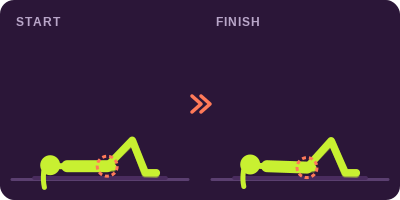
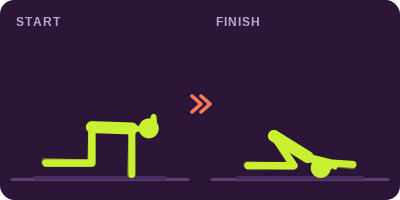
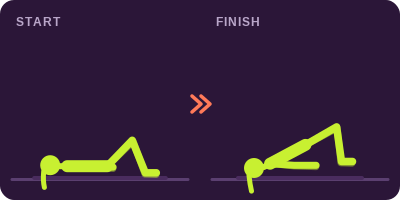
And these exercises from our library are a gentle starting point; each page has easier versions and safety notes:
Walking is another simple way to stay active; our walking and running section has routes in. If you have had to stop exercising for a while, ease back in rather than picking up where you left off. Our getting started safely guide explains how hard to push.
Long periods of sitting do not help either. Our guide to sitting less has ideas for breaking up a long day at a desk or in the car.
When to see a GP
The NHS says to see a GP if:
- your back pain does not improve after treating it at home for a few weeks
- the pain stops you doing your day-to-day activities, or you are struggling to cope
- you have lost weight without trying
- the pain is worse at night, or when you sneeze, cough or poo
- the pain is between your shoulder blades rather than in your lower back
When it is urgent
Ask for an urgent GP appointment or call 111 if you have back pain and:
- you feel hot, cold, shivery or generally unwell
- the pain is severe, started suddenly, or is getting worse quickly
Call 999 or go to A&E if you have back pain with any of the following:
- pain, tingling, weakness or numbness in both legs
- loss of feeling around your genitals or bottom
- difficulty peeing, or loss of control of your bladder or bowels
- changes in feeling in your genitals during sex
- chest pain
- back pain that started after a serious accident
The NHS says do not drive yourself to A&E; ask someone to drive you or call 999.
Preventing the next one
The NHS back pain page focuses on treatment. For general fitness, the UK guidelines recommend regular activity, including strength work on at least 2 days a week. Our guide to the UK guidelines explains them, and our 4-week home strength starter is a gentle way to build strength over the winter.
Sources
- NHS: back pain — checked 23 Nov 2026
- NHS: physical activity guidelines for adults aged 19 to 64 — checked 23 Nov 2026
Checked 23 November 2026. Guidance changes — follow the links above for the current version.