Stiff knees on a cold morning, sore hips after a long walk: osteoarthritis is one of the most common reasons people, particularly in midlife and later, start to move less. It is understandable. But the NHS describes exercise as one of the main treatments, not something to avoid.
This post summarises the NHS osteoarthritis treatment page and Arthritis UK's exercise information as they read on 23 November 2026. (Arthritis UK's website is where the old Versus Arthritis web address now leads.) It is general information, not medical advice: your GP or a physiotherapist can tell you what is right for your joints.
Why exercise helps
Arthritis UK says "staying active can reduce your pain and help you to stay independent", while recognising that "it can be hard to keep moving when you have arthritis".
The NHS says regular activity should include "a combination of exercises to strengthen your muscles and exercises to improve your general fitness". It adds that regular activity can also help with weight, posture and stress.
The mix that is recommended
Arthritis UK recommends "a mixture of exercises", and lists four kinds:
- Strengthening, so the muscles around a joint can support it better
- Stretching, to keep joints moving through their range
- Fitness, activity that gets you warmer and a little out of breath
- Balance
That lines up well with the UK guidelines, which ask adults for strength work on at least 2 days a week as well as aerobic activity; see our guide to the guidelines.
Get a plan from a professional
The NHS says your GP or a physiotherapist can explain the benefits you can expect and set up a home exercise plan, and that following it matters: overdoing exercise, or doing the wrong kind, could harm your joints. If you have been diagnosed with osteoarthritis, ask about a referral or a plan before taking on anything new or strenuous.
Low-impact ways to keep moving
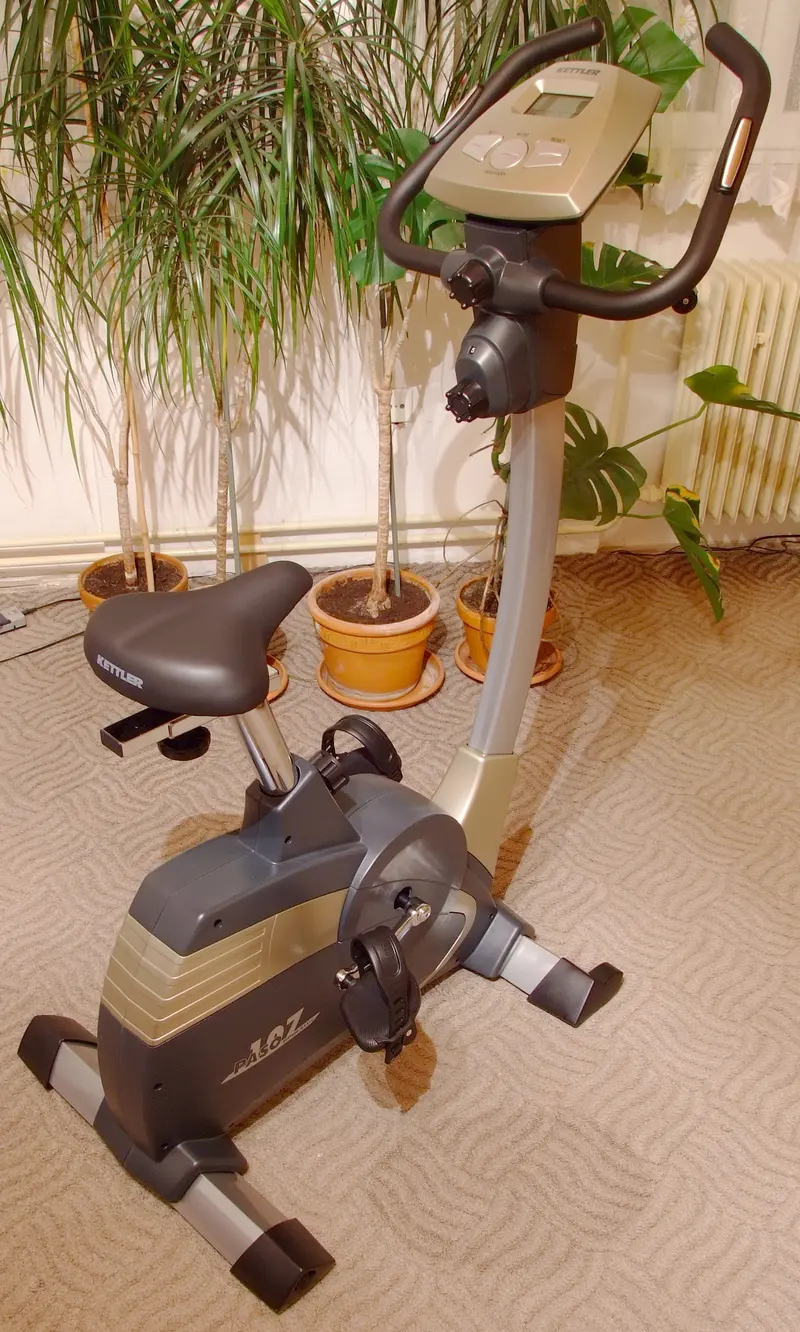
Exercise does not need to be high impact to count. Low-impact options include an exercise bike, swimming, walking at a comfortable pace, and seated or chair-supported strength exercises. Check with your GP or physiotherapist which suit your joints.
These sessions on the site are low impact and include warm-ups and cool-downs:
And these chair-supported exercises are a gentle place to start building leg strength:
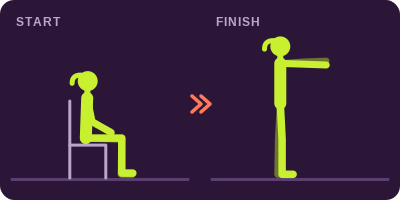
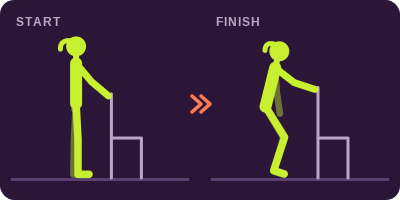
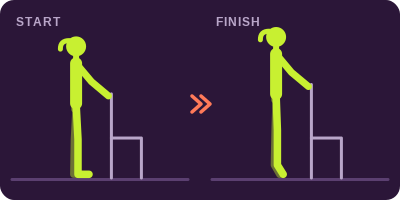
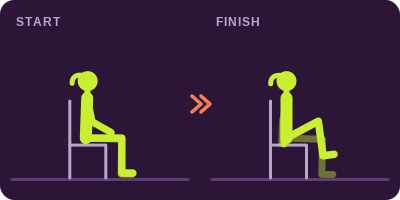
Our low-impact cardio section and strength and balance in later life section have more.
Other things the NHS mentions
- Weight: extra body weight puts strain on some joints and tends to make osteoarthritis worse. The NHS says a GP or practice nurse can advise on losing weight safely.
- Footwear: physiotherapists or occupational therapists may suggest special footwear or insoles for osteoarthritis in the hip, knee or foot. The NHS says shock-absorbing soles "can help relieve some of the pressure on the joints" when walking. Our trainers page covers what to look for in a supportive shoe.
- Walking aids: a stick can help if osteoarthritis in the hip or knee affects your mobility. The NHS says to hold it on the opposite side of your body to the affected leg.
- Painkillers: these are something to discuss with your GP or pharmacist. The NHS notes that paracetamol "doesn't work very well" for many people with osteoarthritis, and describes other options a doctor may suggest.
Getting started this winter
A few practical ideas:
- Warm up indoors before going out, and dress in layers.
- Start small: a few minutes, a few times a day, built up gradually. Our getting started safely guide explains how hard to push.
- Rest days count. See our recovery and sleep guide.
- Keep a note of what you did and how your joints felt the next day, to share with your GP or physio.
Arthritis UK's helpline is 0800 5200 520 (Monday to Friday, 9am to 6pm).
Sources
- NHS: osteoarthritis — treatment — checked 23 Nov 2026 (page shows a review date that has passed — check for updates)
- Arthritis UK: exercising with arthritis — checked 23 Nov 2026
- NHS: physical activity guidelines for adults aged 19 to 64 — checked 23 Nov 2026
Checked 23 November 2026. Guidance changes — follow the links above for the current version.