Kit advice
Trainers
Comfortable, supportive shoes for walking, running and home workouts.
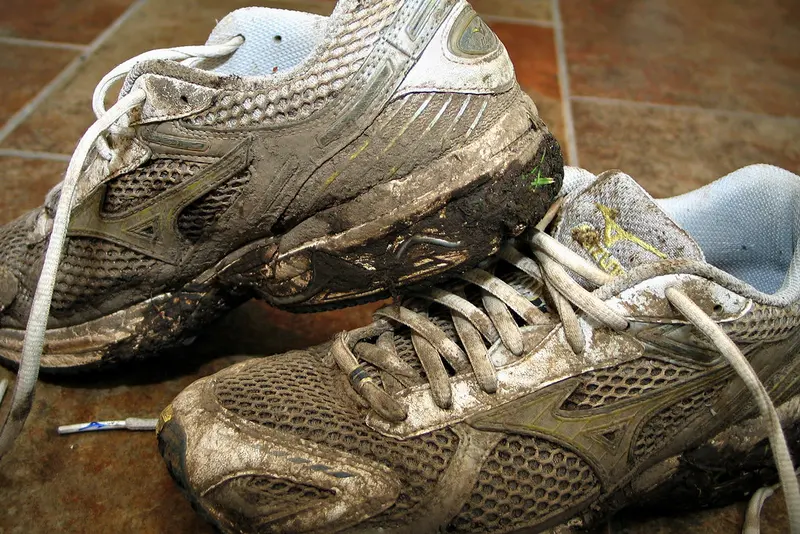
Different shoes for different jobs
- Walking: the NHS says any shoes or trainers that are comfortable, give adequate support and don't cause blisters will do.
- Running: the NHS suggests running shoes that support your feet. Road shoes suit pavements; trail shoes have more grip for muddy paths.
- Home workouts and gym: a flatter, stable cross-training shoe feels steadier for squats and side-to-side moves.
Fit
Try shoes on with your usual sports socks and leave a little room at the toe. The NHS notes feet can change size and shape during pregnancy, so it may be worth getting measured again afterwards.
Options to compare
“View on Amazon.co.uk” buttons are affiliate links. As an Amazon Associate I earn from qualifying purchases. We don't show prices or ratings — check them on Amazon at the time you buy.
-
Women's road running shoes
Cushioned shoes for pavements and parks — ideal for Couch to 5K.
- Comfortable cushioning
- Secure heel
Good for: Running and brisk walking on roads
Watch out for: Get advice if you have foot or knee pain
View on Amazon.co.uk Opens an Amazon.co.uk search so you can compare current options. -
Women's trail running shoes
Deeper grip for muddy paths, fields and towpaths.
- Grippy lugs
- Protective toe
Good for: Off-road walking and running
Watch out for: Can feel firm on pavements
View on Amazon.co.uk Opens an Amazon.co.uk search so you can compare current options. -
Women's cross-training shoes
A flatter, stable sole for home workouts, HIIT and the gym.
- Stable, flat sole
- Side-to-side support
Good for: Strength, HIIT, classes
Watch out for: Not designed for long runs
View on Amazon.co.uk Opens an Amazon.co.uk search so you can compare current options.