Kit advice
Foam rollers
A simple tool many people like to use after training — choose the firmness that suits you.
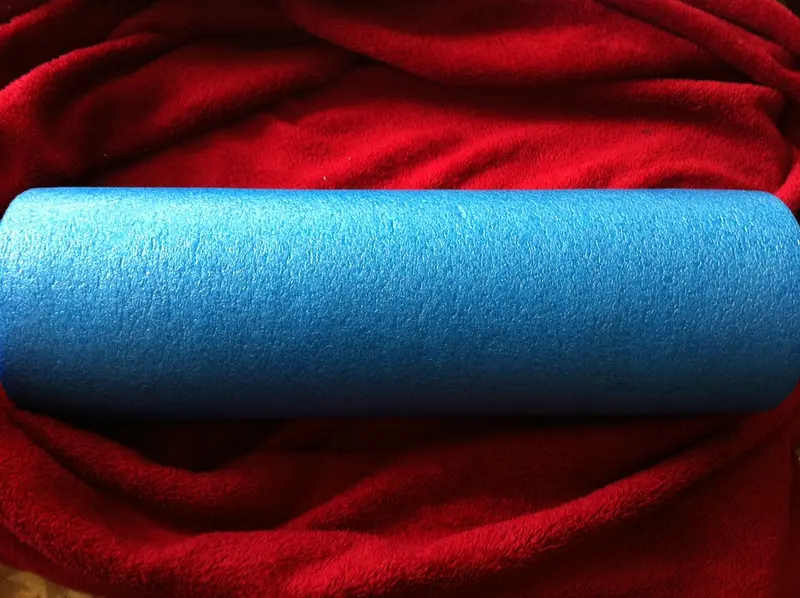
Soft, medium or firm?
If you're new to foam rolling, a smooth, softer roller is a gentler start. Textured or firmer rollers feel more intense. You should never roll over pain, bones or joints.
Size
A longer roller is more stable to lie on and can be used across your back; a shorter one is easier to store and travel with.
How to use it
Move slowly and keep it comfortable. If you have a health condition or are pregnant, check with your GP, midwife or physiotherapist before using a foam roller.
Options to compare
“View on Amazon.co.uk” buttons are affiliate links. As an Amazon Associate I earn from qualifying purchases. We don't show prices or ratings — check them on Amazon at the time you buy.
-
Smooth foam roller (medium density)
A plain roller with even firmness — a sensible first roller.
- Even, smooth surface
- Holds its shape
Good for: Beginners, after walks and runs
Watch out for: Very soft rollers can lose shape over time
View on Amazon.co.uk Opens an Amazon.co.uk search so you can compare current options. -
Textured foam roller
Ridged or knobbled surface for a more intense feel.
- A pattern that feels comfortable
Good for: Experienced rollers
Watch out for: Can feel too intense for beginners
View on Amazon.co.uk Opens an Amazon.co.uk search so you can compare current options. -
Long foam roller
A longer roller you can lie along — useful for upper-back and chest-opening positions.
- Enough length to support head to hips
Good for: Lying positions, pilates-style exercises
Watch out for: Takes up more storage space
View on Amazon.co.uk Opens an Amazon.co.uk search so you can compare current options.