
Bone health is easy to forget until something goes wrong, but winter is a good moment to think about it. Two things are worth a look: vitamin D, which the NHS suggests many of us take as a supplement in winter, and the kind of exercise that gives your bones a reason to stay strong. This post sums up what the NHS and the Royal Osteoporosis Society say. It is general information only — your GP or pharmacist can advise on your own situation.
Why vitamin D matters more in winter
Our bodies make vitamin D from sunlight on bare skin. The NHS says that from October to early March sunlight in the UK is not strong enough for this, so we rely on food and supplements. From late March or April to the end of September, most people can get enough from sunlight and a balanced diet.
Food sources the NHS lists include oily fish, red meat, egg yolks and liver (avoid liver if you are pregnant), plus fortified foods such as some fat spreads and breakfast cereals. It also notes that UK cows' milk is generally not a good source, because it is not fortified.
What the NHS says about supplements
The NHS advice is that everyone — including people who are pregnant or breastfeeding — should consider taking a daily vitamin D supplement in autumn and winter. For adults the amount is 10 micrograms a day (shown on some labels as 400 IU).
Some people are advised to take a supplement all year, including people who are rarely outdoors, live in a care home, usually cover most of their skin when outside, or have dark skin.
Exercise and bones
The NHS page on preventing osteoporosis says to "exercise regularly", including weight-bearing exercise, strengthening exercises and balance exercises. The Royal Osteoporosis Society explains the three types like this:
- Impact exercise — activity where your feet hit the ground and send force through your bones, such as brisk walking, stair climbing, jogging, dancing or heel drops.
- Strength exercise — moving your muscles against resistance: your own body weight, a resistance band or weights. Everyday jobs like carrying shopping and gardening count too, and gradually increasing the load helps.
- Balance exercise — helps keep you steady, which lowers the chance of a fall and a broken bone.
The charity says doing impact and strength exercise together is the best way to support bone strength.
If you have osteoporosis
The Royal Osteoporosis Society says "most people with osteoporosis can exercise safely". It suggests checking with a doctor or physiotherapist first if you have had several broken bones or spinal fractures, are recovering from a fracture, or have any concerns, then building up gradually at a level that feels safe. It also makes the point that exercise does not replace osteoporosis medicine where that has been prescribed.
Putting it into a winter week
You do not need special kit. A few ideas from the site:
- Brisk walks count as impact. Our walking and running focus area has timed walking sessions.
- Two strength sessions a week match the UK guidelines' advice on muscle-strengthening activity; the 4-week home strength starter is a gentle way in.
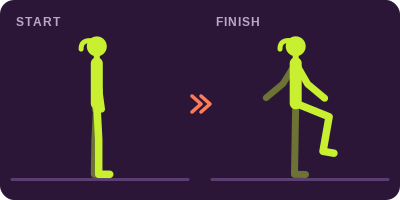
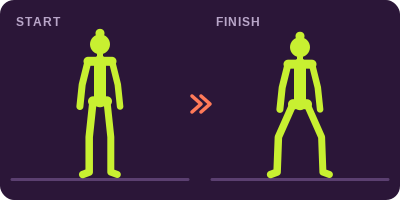
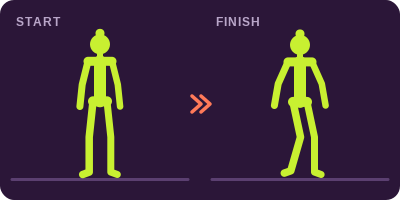
- Balance work takes a few minutes and can be done holding a kitchen worktop. These moves from our exercise library are a good place to start:

If you are going through the menopause, our menopause and perimenopause page covers strength and impact for midlife, and the strength and balance in later life page has seated and supported options.
Other habits that help bones
The NHS also lists things that raise the risk of osteoporosis, including smoking and drinking too much alcohol, and suggests eating plenty of calcium-rich foods. None of this needs to change overnight — but winter, with its darker days and indoor living, is a sensible time to check in on all of it.
This post is general information, not medical advice. For advice about supplements, bone density or a condition you have, speak to your GP or pharmacist.
Sources
- NHS: vitamin D — checked 22 Nov 2026 (page shows a review date that has passed — check for updates)
- NHS: osteoporosis — prevention — checked 22 Nov 2026
- Royal Osteoporosis Society: exercise for bones — checked 22 Nov 2026
Checked 22 November 2026. Guidance changes — follow the links above for the current version.